
A restaurant menu is never just a list of dishes.
It affects what guests notice, what they order, how much they spend, how the kitchen performs and whether the restaurant can make healthy margins. A menu can make the guest experience easier, or it can create confusion. It can help the kitchen run smoothly, or it can slow everything down.
This is why menu engineering should not start with graphic design. Successful restaurant menu design starts with a clear strategy before visual layout decisions are made. Before choosing fonts, colours or layout, restaurants need to understand what the menu is supposed to achieve.
A strong menu should reflect the concept, guide the guest, support the kitchen and help the business perform better.
Start With What the Restaurant Should Be Known For
Before adding dishes, the first question should be simple: what should guests remember this restaurant for?
Every restaurant needs a clear point of view. A neighbourhood cafe, a premium dining concept, a delivery brand and a high-volume casual restaurant should not build their menus in the same way.
The menu should answer important questions: who are we serving, what are guests coming for, which dishes express the concept best, and what should become recognisable or unique to this restaurant?
This is where many menus become weak. Dishes are added because the owner likes them, a competitor has them, or a few guests requested them. Over time, the menu becomes bigger, but not necessarily stronger.
A good menu is not about offering everything. It is about offering the right things.
Build the Menu Structure Before the Dishes
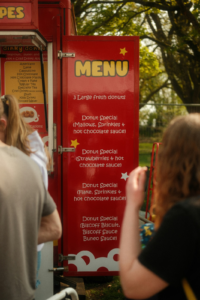
Before finalising recipes, restaurants should first build the menu structure as part of an effective menu strategy and creation process.
This means deciding the categories, the number of items in each section and the role each section plays. For example, are starters made for sharing? Are mains divided by protein, cooking style or occasion? Are desserts a small support category or an important revenue opportunity?
Each part of the menu should have a purpose. Some dishes bring people in. Some become signatures. Some support profitability. Some encourage repeat visits. Some help frame the value of the rest of the menu.
When the structure is clear, guests understand the offer faster and the restaurant avoids creating a menu that feels crowded or repetitive.
Create Signature and Specific Items Guests Remember
Every restaurant needs a few dishes that become strongly linked to its identity.
These are not always the most expensive dishes or the most complicated ones. They are the dishes that guests talk about, photograph, reorder and associate with the brand.
A signature item should feel natural to the concept. It should not be added just for attention. It should make sense with the restaurant’s story, positioning, kitchen ability and guest expectations.
When done well, signature dishes help the restaurant stand out in a competitive market like Dubai and the UAE.
Design for the Kitchen, Not Only the Guest
A dish may taste great during a tasting session, but that does not mean it will work during a busy Friday service.
Every item adds ingredients, preparation steps, storage needs, training requirements and possible pressure on the kitchen. If a dish slows down service, creates waste or depends on one ingredient used nowhere else, it may create more problems than value.
Before adding an item, restaurants should ask whether the team can prepare it consistently, serve it quickly during peak hours, use ingredients already available in the kitchen, avoid unnecessary waste and explain it clearly to guests.
The best menu is not the most creative menu on paper. It is the menu the team can deliver consistently, profitably and at the promised quality.
Think Beyond Food Cost
Food cost matters, but it does not tell the full story.
A dish with a low food cost is not automatically a good business decision. If it sells rarely, slows the kitchen down or weakens the concept, it may not deserve space on the menu.
Restaurants should also look at contribution margin. This means how much money is left after the direct cost of the dish is removed from the selling price.
A higher-cost dish may still be valuable if it sells well, supports the brand and contributes more profit in actual dirham value.
Smart menu engineering looks at both popularity and contribution. The goal is not only to reduce cost. The goal is to build a better-performing menu through a structured menu strategy and creation approach.
Price Based on Value, Not Only Cost
Pricing should not be based only on a markup formula.
Guests do not judge price by recipe cost. They judge it by portion size, quality, presentation, brand, location and overall experience.
A strong menu should have a clear pricing structure. Guests should see accessible choices, a strong middle range and selected premium options. The price difference between items should feel logical.
If prices feel random, guests lose confidence. If the menu is underpriced, the restaurant loses margin. If it is overpriced without clear value, the guest may not return.
Good pricing balances cost, demand, market position and perceived value.
Make Choosing Easy
Too many choices do not always create a better experience.
A very large menu can make guests hesitate. Unclear categories, long descriptions and too many symbols or highlights can make the decision harder.
A good menu should be easy to read and easy to understand. Categories should be clear. Dish names should be consistent. Descriptions should explain what matters without overcomplicating the item.
The goal is not to push guests aggressively. The goal is to help them choose with confidence.
Test the Menu in Real Service
A menu is not finished when the tasting is approved.
The real test begins when the restaurant opens, the kitchen is under pressure and guests start ordering.
Restaurants should look at what sells, what gets ignored, what takes too long, what creates waste and what the team struggles to explain.
Menu engineering should continue after launch. Monthly sales mix reviews and seasonal menu reviews can help restaurants adjust pricing, remove weak items, improve signatures and introduce better-performing dishes.
A menu should evolve with real guest behaviour and operational data.
A Better Menu Builds a Better Restaurant
A better menu helps guests choose more easily. It helps the kitchen work more smoothly. It supports the restaurant’s positioning and improves profitability.
Menu engineering is not just about design. It is about connecting the concept, guest experience, product development, pricing, operations and financial performance into one clear system.
For restaurants in Dubai, the UAE and across the GCC, building the menu this way creates a stronger foundation for consistency, profitability and long-term growth.
